
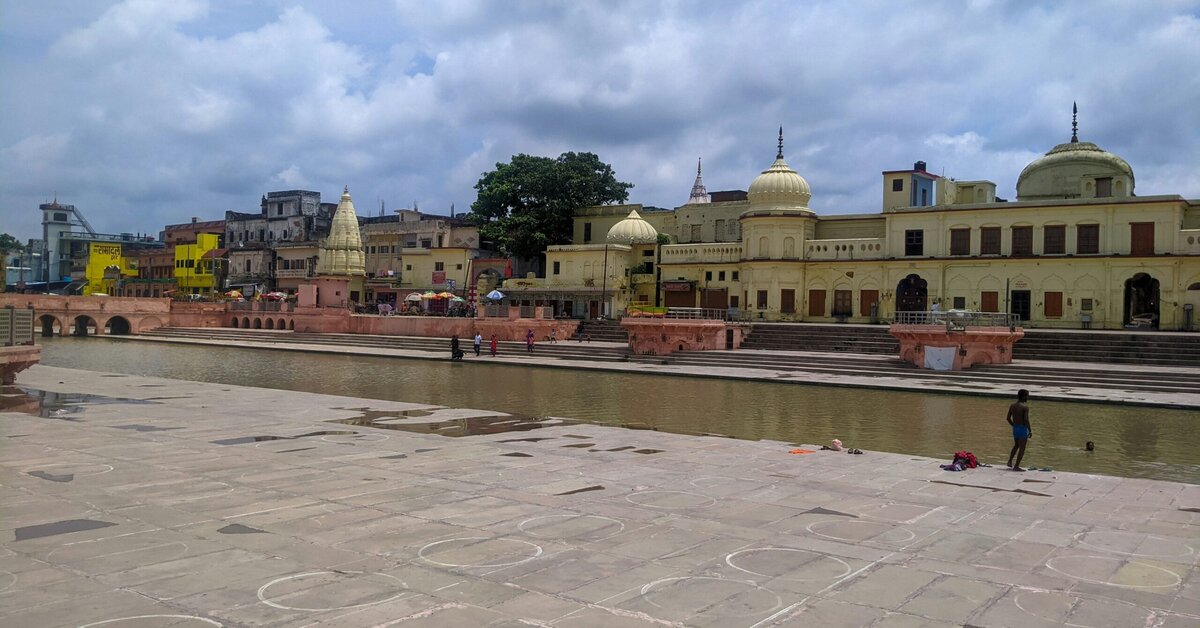
Varanasi Ayodhya Prayagraj Tour Package by Cab , The spiritual heartland of Uttar Pradesh encompasses three of Hinduism’s most sacred cities—Varanasi, Ayodhya, and Prayagraj (formerly Allahabad)—forming a triangular pilgrimage circuit that resonates deeply with India’s religious and cultural heritage. A comprehensive cab tour connecting these destinations offers travelers the flexibility to experience ancient temples, sacred rivers, mythological sites, and profound spiritual energy at their own pace. This multi-city journey by private cab transforms logistical complexity into comfortable exploration, making one of India’s most significant pilgrimage routes accessible and memorable.

Why Combine These Three Sacred Cities
Varanasi Ayodhya Prayagraj Tour Package by Cab ,Each city holds distinct spiritual significance that collectively tells India’s religious story. Varanasi, Lord Shiva’s eternal abode on the banks of the Ganges, represents the cycle of life, death, and liberation. Ayodhya, birthplace of Lord Rama, embodies dharma and the epic Ramayana narrative that shapes Indian moral consciousness. Prayagraj, home to the Triveni Sangam where three holy rivers converge, symbolizes purification and spiritual merit through sacred bathing.
Varanasi Ayodhya Prayagraj Tour Package by Cab , Geographically, these cities form a manageable triangle—Varanasi to Ayodhya spans approximately 200 kilometers, Ayodhya to Prayagraj covers about 160 kilometers, and Prayagraj back to Varanasi measures roughly 120 kilometers. This proximity makes multi-city cab tours practical, with daily drives ranging from 2.5 to 4 hours depending on route and traffic conditions. The journey itself offers glimpses of rural Uttar Pradesh—agricultural landscapes, small towns, roadside temples, and the Gangetic plains that have nurtured Indian civilization for millennia.
Typical Tour Duration and Itinerary Structure
Comprehensive packages typically span 5-7 days, allowing thorough exploration of each city without exhausting rushed schedules. Five-day packages cover major highlights efficiently, while seven-day versions permit deeper immersion, additional sites, and more relaxed pacing with adequate rest periods.
Day 1: Arrival in Varanasi Most tours begin in Varanasi, easily accessible via international and domestic flights or major railway connections. After airport/station pickup, check into your hotel and rest. Evening includes a gentle introduction—walking nearby ghats and witnessing the spectacular Ganga Aarti at Dashashwamedh Ghat. This first-day pacing allows acclimatization after travel while introducing Varanasi’s spiritual atmosphere.
Day 2: Varanasi Exploration Begin with sunrise boat rides on the Ganges, witnessing morning rituals along the ghats—the quintessential Varanasi experience. After breakfast, visit Kashi Vishwanath Temple, Varanasi’s spiritual epicenter housing one of twelve sacred Jyotirlingas. Afternoon explores Sarnath (10 km away), where Buddha delivered his first sermon. The archaeological sites, Dhamek Stupa, and museum provide peaceful contrast to Varanasi’s intensity. Evening free for shopping in silk markets or attending classical music performances.
Day 3: Varanasi to Ayodhya (200 km, 4-5 hours) Morning departure for Ayodhya via comfortable cab journey through Uttar Pradesh countryside. En route, stop at interesting points—roadside temples, local eateries serving authentic regional cuisine, or scenic viewpoints. Arrive Ayodhya by afternoon, check into hotel, and rest. Evening visit Ram Janmabhoomi complex and nearby temples as introduction to Ayodhya’s spiritual landscape. The city’s evening aarti ceremonies at various temples create devotional atmosphere.
Day 4: Ayodhya Full Day Comprehensive exploration of Ayodhya’s religious sites—Ram Janmabhoomi Temple (the newly constructed grand temple at Lord Rama’s birthplace), Hanuman Garhi (fortress-temple dedicated to Hanuman with panoramic city views), Kanak Bhawan (gifted to Sita by Rama’s stepmother), and various ghats along the Sarayu River. Afternoon includes Tulsi Smarak Bhawan museum and other cultural sites. Evening aarti at Sarayu riverbanks provides spiritual conclusion to the day. Ayodhya’s recent temple development creates evolving landscape with impressive new architecture alongside ancient sites.
Day 5: Ayodhya to Prayagraj (160 km, 3-4 hours) Morning departure for Prayagraj. The drive passes through small towns and agricultural areas characteristic of eastern Uttar Pradesh. Arrive by afternoon, check in, and visit the iconic Triveni Sangam—the confluence of Ganges, Yamuna, and mythical Sarasvati rivers. Boat rides to the actual sangam point where different-colored waters visibly merge create memorable experiences. Evening explores Prayagraj’s colonial architecture and bustling markets.
Day 6: Prayagraj Exploration Morning visits Hanuman Temple (Bade Hanuman Ji, unique reclining Hanuman idol), Allahabad Fort (Mughal structure with Akshaya Vat tree and Patalpuri Temple inside), Anand Bhavan (Nehru family ancestral home, now museum), and Khusro Bagh (Mughal garden with beautiful mausoleums). Afternoon return to Triveni Sangam for ritual bathing if desired or simply contemplative riverside time. The confluence holds special spiritual significance—Hindus believe bathing here washes away sins and grants spiritual merit.
Day 7: Prayagraj to Varanasi (120 km, 2.5-3 hours) and Departure Morning departure for Varanasi. The shorter drive allows final Varanasi experiences if time permits before departure—last-minute shopping, revisiting favorite ghats, or temple visits. Alternatively, direct transfer to airport/railway station for onward journey. Flexible timing accommodates various departure schedules.
Vehicle Options and Pricing
Private cab packages offer various vehicle choices matching group size and budget considerations.
Sedan Options (4 passengers) Comfortable sedans like Swift Dzire, Etios, or similar vehicles work well for couples or small families (up to 4 people). These vehicles provide adequate luggage space, air conditioning, and fuel efficiency. Five to seven-day packages typically cost INR 28,000-35,000 for the vehicle (not per person), including fuel, driver allowance, tolls, and parking. Per-person costs become economical when seats fill completely.
SUV Options (6-7 passengers) Innova, Ertiga, or similar SUVs accommodate larger families or groups up to six passengers with luggage. Enhanced space and comfort suit longer journeys better, though costs increase—INR 38,000-48,000 for comprehensive packages. The per-person economy improves significantly with more passengers sharing costs.
Tempo Traveler (12-17 passengers) Larger groups benefit from Tempo Travelers offering spacious seating, ample luggage capacity, and cost distribution across many passengers. Package rates range INR 55,000-70,000, translating to remarkably affordable per-person costs for groups of 10-15 people. These vehicles suit joint families, friend groups, or organizational pilgrimages.
Pricing variations depend on season (peak winter months cost 10-15% more), specific vehicle models, accommodation quality if included, and additional services like guides or coordinator support.
Accommodation Arrangements
Packages range from budget to premium based on hotel selections in each city.
Budget Packages (INR 12,000-18,000 per person) Three-star properties or quality budget hotels providing clean, comfortable rooms with essential amenities—air conditioning, private bathrooms, and breakfast. Locations might be slightly away from prime areas but remain accessible. These packages prioritize essential comfort without luxury, ideal for pilgrims and budget-conscious travelers focusing on spiritual experiences over accommodation opulence.
Mid-Range Packages (INR 20,000-28,000 per person) Four-star hotels or heritage properties offering enhanced comfort, better locations, superior dining, and additional amenities like swimming pools and spas. Mid-range strikes balance between comfort and value, suitable for families wanting pleasant accommodation without premium pricing.
Premium Packages (INR 32,000-45,000+ per person) Five-star hotels, luxury heritage properties, or boutique accommodations providing exceptional service, prime locations, gourmet dining, and luxurious amenities. Premium packages suit travelers prioritizing comfort and service quality, willing to invest significantly in accommodation excellence alongside spiritual experiences.
Key Attractions and Experiences
Each city offers signature experiences defining the tour’s spiritual and cultural value.
Varanasi Highlights Beyond temples and ghats, Varanasi offers subterranean experiences—narrow lanes of old city hiding artisan workshops, centuries-old homes, and hidden shrines. Silk weaving demonstrations reveal the craft behind world-famous Banarasi silk. Classical music evenings showcase India’s rich musical heritage. The chaotic yet organized spiritual life creates sensory immersion found nowhere else globally.
Ayodhya Highlights Recent temple development, particularly the Ram Janmabhoomi Temple, creates evolving pilgrimage landscape. The grand temple architecture impresses with traditional craftsmanship and scale. Beyond major temples, smaller shrines throughout the city connect to specific Ramayana episodes. The Sarayu riverbanks offer peaceful contemplation contrasting with Varanasi’s intensity. Ayodhya’s evening aarti ceremonies involve entire communities in devotional participation.
Prayagraj Highlights Triveni Sangam remains the undisputed highlight—witnessing different-colored waters converging creates tangible connection to mythology and geography intersecting. The city’s dual character—ancient Hindu pilgrimage site and colonial administrative center—creates interesting architectural and cultural juxtaposition. During Kumbh Mela (occurring every 12 years with Ardh Kumbh every 6 years), Prayagraj transforms into the world’s largest religious gathering, though regular visiting offers accessibility without overwhelming crowds.
Practical Considerations
Successful multi-city cab tours require attention to several practical aspects.
Timing and Season October through March offers optimal weather for this circuit. November through February provides coolest temperatures (10-25°C) but brings peak crowds, especially at major temples. March and October represent excellent shoulder season choices. Avoid April-June heat (40-45°C) and monsoon challenges (July-September) unless you have specific reasons like lower costs or festival participation.
Road Conditions and Journey Times Highways connecting these cities have improved significantly with expressway developments. Varanasi-Ayodhya and Ayodhya-Prayagraj routes primarily use good-quality roads, though some sections pass through towns requiring slower speeds. Prayagraj-Varanasi benefits from well-maintained highways. Account for rest stops, meals, and potential traffic when estimating journey times—add 30-60 minutes beyond pure driving time for realistic scheduling.
Meal Planning Highway dhabas (roadside restaurants) offer authentic North Indian cuisine at reasonable prices. Your driver recommends clean, popular establishments frequented by locals. Alternatively, plan meal stops at larger towns en route with more diverse restaurant options. Most tour operators can pre-arrange meals at specific restaurants, particularly valuable for groups with dietary restrictions or preferences for assured hygiene standards.
Guide Services While cab drivers navigate routes and provide basic information, professional guides enhance experiences significantly. Local guides at each city offer deep historical, mythological, and architectural knowledge that drivers cannot match. Guides cost INR 1,500-2,500 per city for full-day services, though language and expertise levels vary. Quality tour packages include guide services, or operators can arrange them on request.
Cultural and Spiritual Etiquette
Respectful engagement with these sacred cities enriches experiences while honoring local sentiments.
Temple Protocols Dress conservatively—covered shoulders and knees for all sites. Remove shoes at temples and follow indicated purification procedures. Photography restrictions exist at many sacred sites, particularly inside temple sanctums. Maintain respectful silence during ceremonies and avoid pointing feet toward deities. Non-Hindu visitors should inquire about access—most temples welcome all, but some restrict entry to Hindu devotees in specific sanctum areas.
River Bathing Customs If participating in sacred bathing, maintain modesty with appropriate clothing. Understand these rituals’ spiritual significance for practitioners—they’re not tourist entertainment but profound religious acts. If photographing, do so discretely and respectfully. Never wade into rivers beyond comfortable depths or in swift current areas, particularly at Triveni Sangam where currents can be deceptive.
Booking and Customization
Reputable tour operators offer customizable packages adapting to specific preferences.
Standard vs. Customized Packages Standard packages provide fixed itineraries covering major highlights efficiently. Customized options allow adjusting pace, including additional sites, extending stays in preferred cities, or incorporating special interests—extended temple visits, additional mythology-related sites, cultural performances, or craft workshops. Communicate preferences clearly during booking for operators to design appropriate itineraries.
Advance Booking Requirements Book at least 4-6 weeks ahead for standard tours, though 8-12 weeks provides better accommodation and vehicle availability during peak seasons. Last-minute bookings (1-2 weeks) face limited options and potentially higher costs, particularly for December-January travel.
Conclusion
The Varanasi-Ayodhya-Prayagraj circuit by private cab offers unparalleled access to Hinduism’s spiritual heartland, combining iconic pilgrimage sites with comfortable transportation and flexible scheduling. This journey transcends mere tourism, providing authentic engagement with India’s living religious traditions, mythology made tangible, and profound spiritual experiences in three extraordinary cities. Whether approaching as devout pilgrims, cultural explorers, or spiritual seekers, travelers discover that this sacred triangle contains treasures of faith, history, and human devotion accumulated across millennia.
Frequently Asked Questions
1. Which city should we start and end the tour from, and does it matter for the itinerary?
Most tours start and end in Varanasi due to superior connectivity—Varanasi has the best airport with frequent domestic flights from major cities, extensive railway connections, and established tourism infrastructure. Starting in Varanasi allows immediate spiritual immersion before traveling to other cities, ending back in Varanasi for convenient departures. However, packages can begin from any city based on your arrival logistics. If flying into Prayagraj or arriving in Ayodhya, operators can reverse the circuit (Ayodhya-Varanasi-Prayagraj or Prayagraj-Varanasi-Ayodhya). The experience remains equally rich regardless of direction—each route has advocates preferring specific sequences. Some believe ending in Varanasi provides spiritual culmination, while others prefer beginning there and concluding at Triveni Sangam. Circular routing returning to the start city costs slightly more than one-way tours but provides convenience if your vehicle/belongings remain at the origin point. Discuss arrival and departure logistics with operators—they’ll design optimal routing based on your transportation bookings and preferences.
2. Can we complete this circuit in a shorter duration like 3-4 days, and what would we miss?
Yes, compressed 3-4 day tours covering all three cities are possible but require accepting limitations. A typical compressed itinerary includes: Day 1—arrive Varanasi, evening ghat experience; Day 2—Varanasi sunrise boat ride, quick temple visits, drive to Ayodhya afternoon; Day 3—Ayodhya morning exploration, drive to Prayagraj afternoon, Triveni Sangam visit; Day 4—Prayagraj morning, return to Varanasi for departure. This schedule covers major highlights but sacrifices depth for breadth. You’ll miss: Sarnath’s Buddhist heritage, comprehensive Varanasi temple circuit, adequate rest periods preventing exhaustion, leisurely exploration allowing spontaneous discoveries, multiple experiences at each city revealing different moods (morning serenity versus evening energy), and buffer time for unexpected delays or health issues. Compressed tours create rushed feelings contradicting the contemplative spirituality these cities offer. They suit travelers with severe time constraints willing to prioritize coverage over depth, but 5-7 day packages provide significantly richer experiences without daily exhaustion. If truly constrained, consider visiting just Varanasi-Ayodhya or Varanasi-Prayagraj thoroughly rather than superficially covering all three.
3. What are the road conditions and safety considerations for long drives between cities?
Road conditions have improved substantially with recent infrastructure development. The Varanasi-Ayodhya route uses NH27 and NH330, primarily well-maintained four-lane highways with good surfaces, though sections pass through towns requiring slower speeds and patience navigating traffic. Ayodhya-Prayagraj connects via NH330 and NH19—decent highways with some stretches under improvement. Prayagraj-Varanasi enjoys excellent connectivity via NH19, a well-developed route. Overall journey quality is comfortable in modern vehicles with experienced drivers. Safety considerations include: ensuring your cab has functioning seatbelts and insisting everyone uses them; confirming driver experience on these specific routes and checking licenses/permits; avoiding night driving when possible—highway risks increase after dark due to slower-moving vehicles without proper lights and potential animal crossings; planning adequate rest stops preventing driver fatigue; keeping emergency contact numbers for local police and hospitals along routes; carrying sufficient water and basic medical supplies; staying informed about road conditions during monsoon when some stretches might flood temporarily. Reputable operators prioritize safety with well-maintained vehicles, rested drivers, and appropriate insurance coverage. Most travelers find these routes safe and comfortable, significantly better than they were a decade ago.
4. Is this tour suitable for elderly family members or those with mobility challenges?
With appropriate modifications, yes. The tour’s private cab nature provides inherent flexibility for mobility-challenged travelers. Key accommodations include: selecting hotels with elevators and ground-floor room options; focusing on accessible temples and sites rather than attempting those with extensive stairs or difficult navigation; arranging chair-carrying services (dolis) at locations with unavoidable stairs; building extensive rest periods into daily schedules preventing exhaustion; choosing boat rides with stable embarkation points rather than precarious ghat steps; keeping daily driving to manageable lengths with comfortable rest stops. Specific considerations by city: Varanasi poses the biggest challenge with steep ghat steps and crowded temple areas—boat access eliminates many stair concerns, and viewing temples from accessible outer areas provides spiritual experiences without physical demands. Ayodhya’s major sites including Ram Janmabhoomi have relatively better accessibility with ramps and facilities for differently-abled visitors, though some smaller temples require stairs. Prayagraj’s Triveni Sangam offers boat access avoiding stairs, and major sites have reasonable accessibility. Communicate mobility limitations clearly when booking—experienced operators customize itineraries emphasizing accessible highlights rather than attempting everything. Many elderly pilgrims successfully complete this circuit with proper planning, finding the spiritual rewards worth accommodated physical challenges.
5. What additional costs should we budget beyond the basic package price?
Basic packages typically include transportation, accommodation, and breakfast, but budget for several additional expenses. Entrance fees and donations: major temple trusts welcome donations (INR 50-500 per person), archaeological sites charge entry (INR 25-300 depending on site and citizenship), and boat rides cost extra unless specifically included (INR 300-800 per boat). Meals: lunch and dinner usually aren’t included, budgeting INR 400-800 per person daily covers decent restaurant meals, more if preferring upscale dining. Guide services: if not included, local guides cost INR 1,500-2,500 per city for full-day services—highly recommended for enriched understanding. Tips: customary to tip drivers (INR 300-500 daily), guides (INR 200-400 per tour), and hotel staff (INR 50-100 for room service/porters). Shopping: Varanasi’s silk, Ayodhya’s religious items, and general souvenirs—budget based on personal interest, INR 2,000-10,000+ being common ranges. Puja and ritual expenses: if participating in special ceremonies, priests charge INR 500-2,000 depending on ritual complexity. Personal expenses: snacks, bottled water, phone recharges, and miscellaneous items add INR 500-1,000 daily. Travel insurance: comprehensive coverage costs INR 500-1,500 per person but provides crucial protection. Emergency funds: maintain 10-15% of total trip budget for unexpected situations. Overall, budget an additional 30-40% beyond base package costs for comfortable experiences without financial stress.